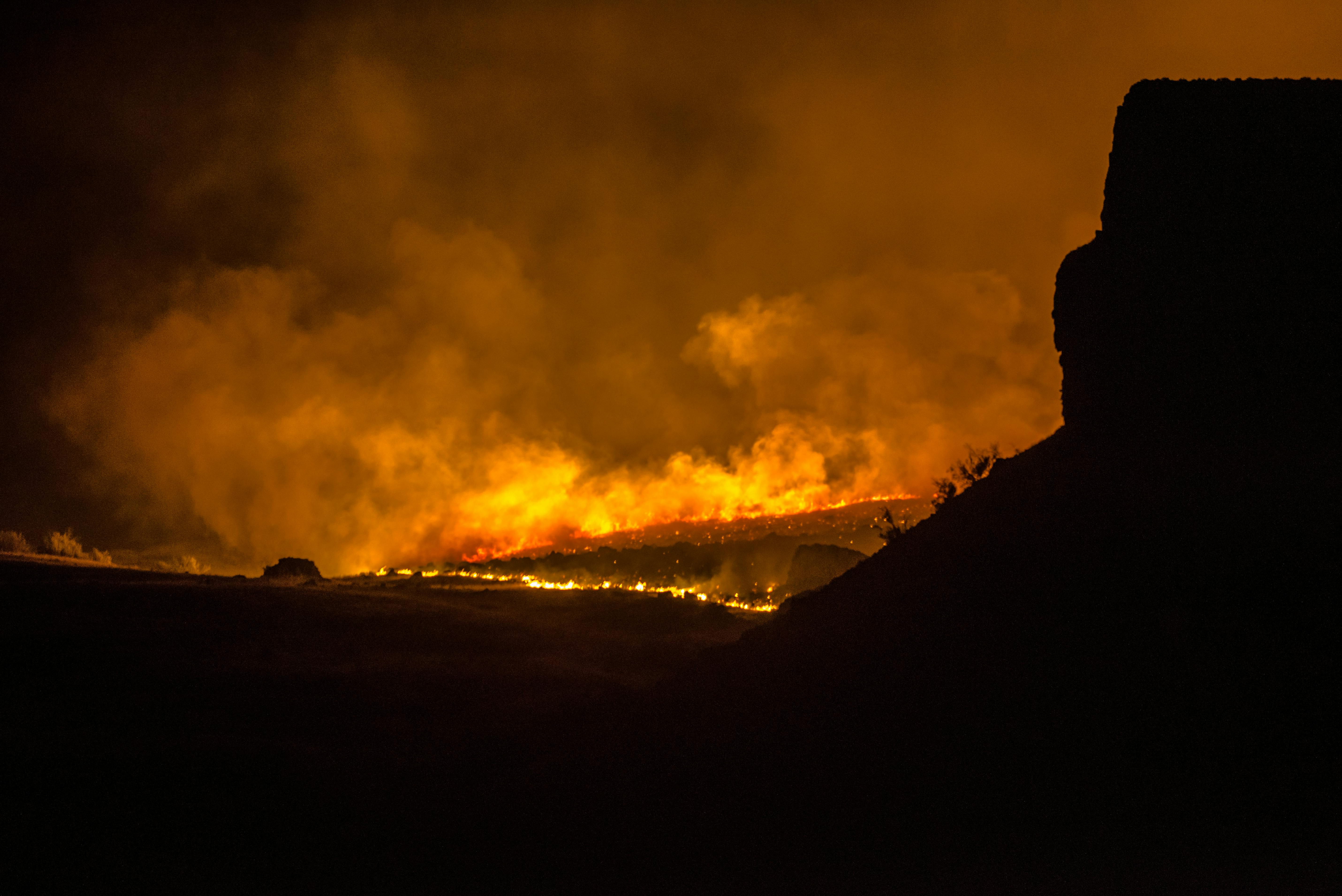
Think wildfire season is something you only need to worry about during the hottest months of the year?
New research suggests families in the American Southwest may need to rethink that assumption.
Scientists studying more than eight decades of weather records have found that dangerous fire-weather conditions have been increasing during months many people wouldn't traditionally associate with wildfire season.
And the trend could have important implications for communities across the region.
Wildfire weather is becoming a concern even in winter and spring
A study published October 30 in Communications Earth & Environment examined extreme fire-weather conditions across the southwestern United States between 1940 and 2022.
The researchers found that from December through May, conditions associated with wildfire danger have increased steadily.
The main factors were rising temperatures and declining relative humidity.
In other words, warmer and drier conditions are making it easier for dangerous fire weather to develop outside the traditional peak season.
For families living near dry vegetation or fire-prone landscapes, the calendar alone may no longer be a reliable reminder of when to prepare.
Why does summer wildfire weather behave differently?
The researchers discovered something surprising: summer fire-weather patterns don't follow exactly the same trend.
Instead, summer risk has shifted over decades, with humidity changes linked to a recurring pattern of Pacific Ocean temperatures known as the Pacific Decadal Oscillation.
The study found that summer fire-weather risk declined during part of the twentieth century before increasing again in more recent decades.
These findings help explain why wildfire danger can change differently from season to season, even within the same region.
What does this mean for homes and families?
The study examines weather conditions favorable to fires, not a prediction that a particular neighborhood will burn.
But the findings reinforce the importance of preparing for wildfire threats before an emergency begins.
Families in fire-prone areas should pay attention to local fire-weather alerts, keep evacuation plans updated, and consider how smoke could affect their indoor air.
Wildfire smoke contains fine particles known as PM2.5, which can enter homes and aggravate respiratory conditions.
The U.S. Environmental Protection Agency provides guidance on wildfire smoke and its health effects.
A properly sized HEPA air purifier can help reduce smoke particles indoors, while air-quality monitoring can help households recognize when outdoor conditions are deteriorating.
Explore indoor air-quality solutions at Atmos Protect.
The warning isn't about one fire. It's about being ready sooner.
Wildfires don't wait for families to feel prepared.
And as scientists uncover how fire-weather conditions are changing, the message for vulnerable communities is becoming clearer: wildfire preparedness shouldn't begin only when summer arrives.