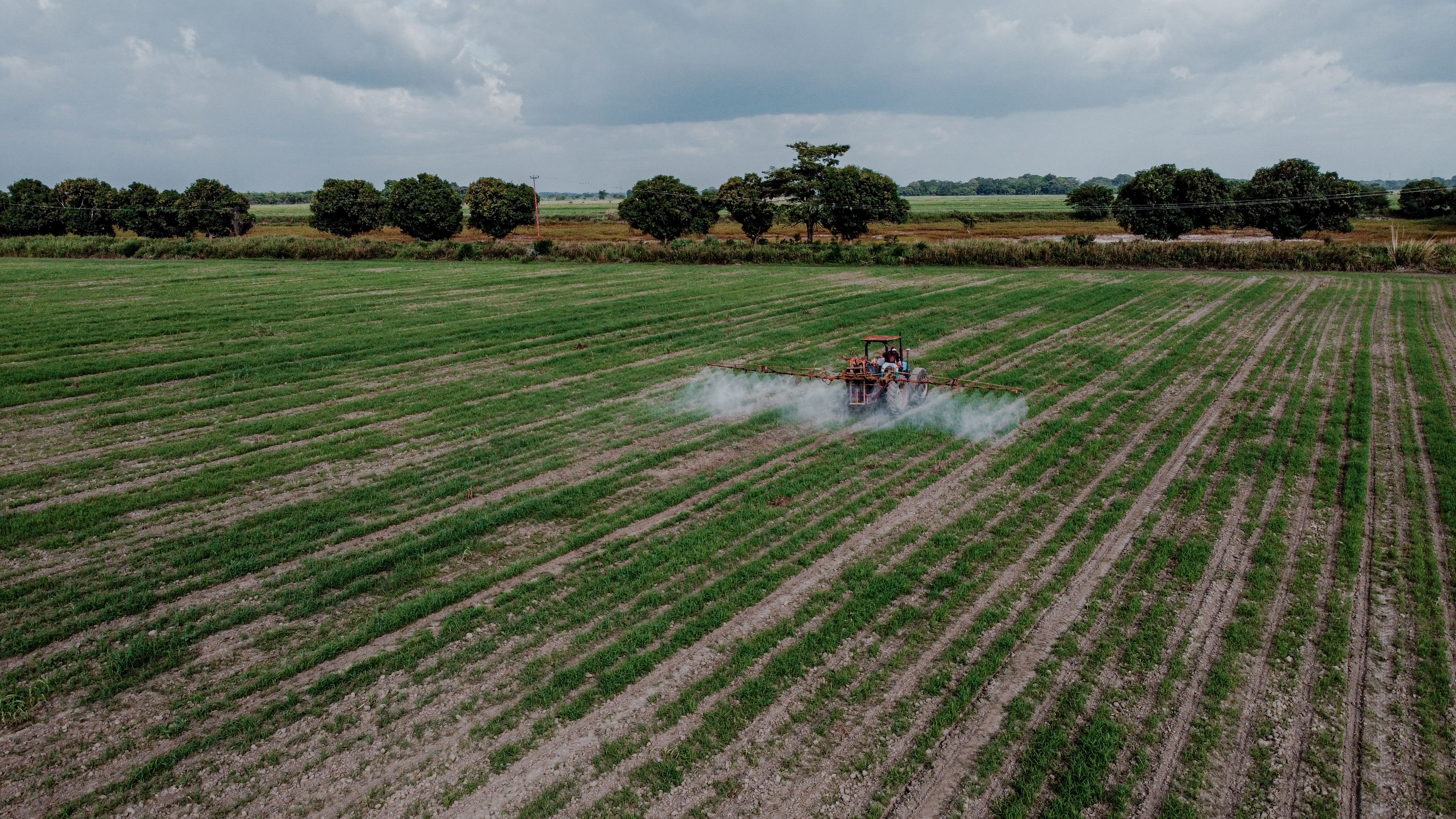
Pesticides have been detected in Canadian waters at concentrations that could harm aquatic life, and a new federal audit has raised questions about whether regulators are responding quickly enough.
The findings come from Canada's national pesticide water-monitoring program, which collects samples from rivers, lakes, and other waterways to identify chemicals that may threaten ecosystems.
The concern isn't simply that pesticides were detected. It's that some concentrations exceeded levels used to flag potential ecological harm.
Thousands of water samples revealed a complicated picture
According to an October 29 report from Canada's Auditor General, nearly 4,000 water samples were collected in 2024 and analyzed for more than 200 pesticides.
The monitoring program generated more than 700,000 data points to help identify potential risks to human health and aquatic life.
One pesticide receiving particular attention was clothianidin, a commonly used insecticide.
After monitoring revealed concentrations above levels considered potentially harmful to aquatic organisms, Health Canada expanded an ongoing reassessment of the chemical.
But auditors found gaps in the response
The audit identified four pesticides in the highest-risk group for aquatic life.
For two of those pesticides, Health Canada had not yet begun analyzing whether regulatory action was necessary.
Auditors also found that the department had not finalized clear criteria for when monitoring results should trigger action to protect aquatic life, nor had it established comparable criteria for human health.
That doesn't mean every Canadian waterway is unsafe. But it raises an important question about how quickly scientific warnings lead to protective decisions.
Does this mean Canadian drinking water is contaminated?
Not necessarily. The audit's ecological reference values concern potential harm to aquatic organisms and should not be confused with drinking-water safety limits.
Still, pesticide runoff is a legitimate water-quality concern, particularly in agricultural areas.
Households using private wells may benefit from reviewing local monitoring information and arranging appropriate testing when contamination is suspected.
Water filters vary significantly in what they remove, so consumers should look for independent certifications covering the specific chemicals of concern.
Explore household water-quality information at Atmos Protect.
Canada's monitoring program is revealing where pesticide risks may exist. The next challenge is ensuring those findings lead to timely decisions that protect the wildlife living in those waters.
Post a Comment