Scientists have now mapped 45 threats facing 21,490 freshwater species around the world, revealing just how vulnerable some of our most familiar aquatic animals have become.
And the findings suggest that protecting freshwater wildlife may be more complicated—and more urgent—than previously understood.
Thousands of animals are facing threats in their own homes
In a study published October 29 in the journal Science, researchers examined threats affecting freshwater fish, amphibians, reptiles, mammals, dragonflies, and damselflies.
The international team, led by researchers at Canada's McGill University, combined information about where these animals live with assessments of the threats affecting them.
The result was a global picture of the pressures facing freshwater biodiversity.
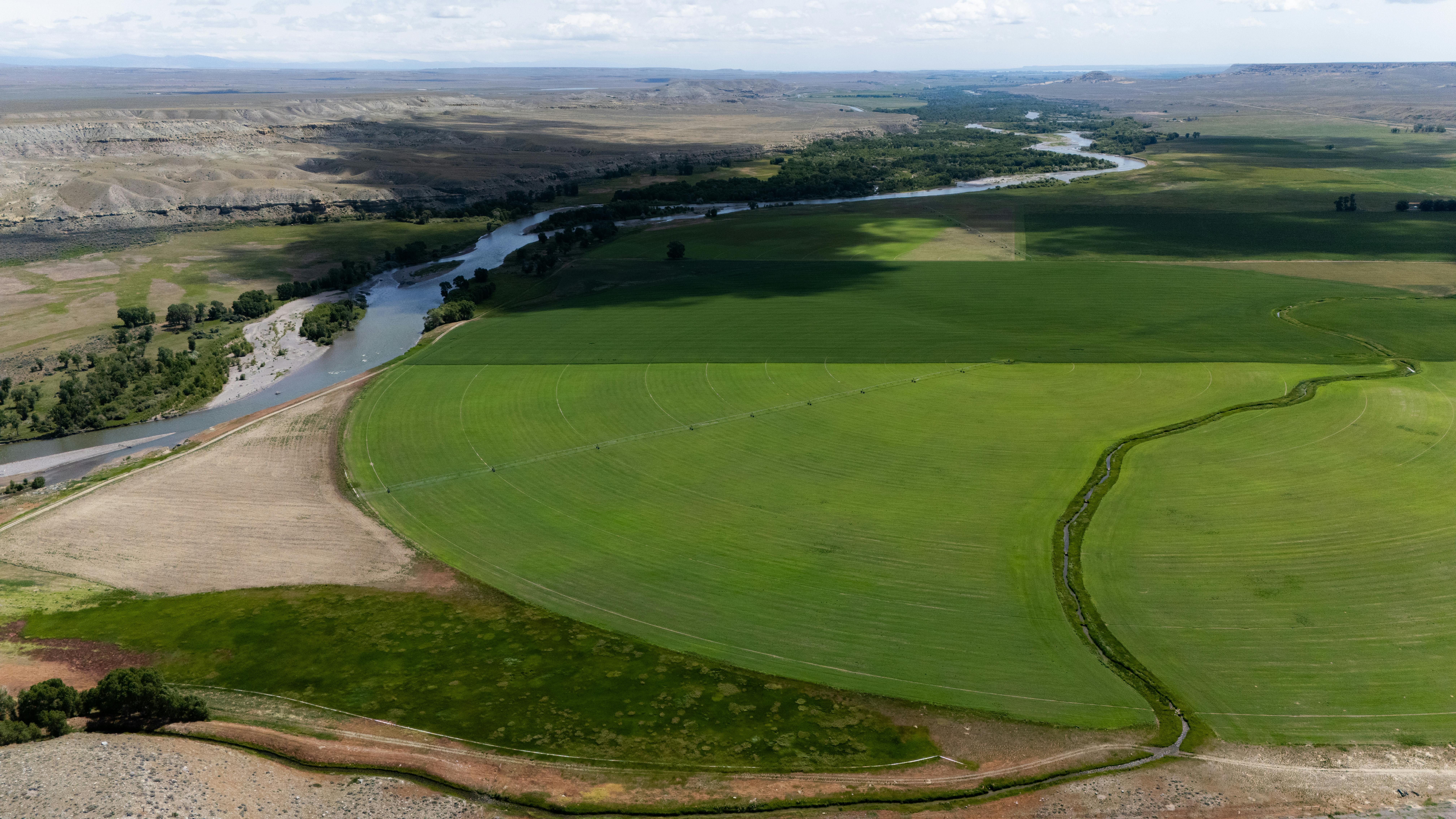
Some of the biggest threats were surprisingly familiar: agriculture, dams, water extraction, and agricultural runoff.
For an animal that spends its life in a river, lake, or wetland, even changes happening far upstream can affect its chances of survival.
Why are frogs, fish, and other freshwater animals so vulnerable?
Freshwater habitats are closely connected to the land around them.
When rivers are dammed, water flows change. When too much water is withdrawn, habitats can shrink. And when pollutants wash into streams and lakes, animals living there may be exposed.
These pressures can overlap, creating several challenges for the same species at once.
According to Conservation Science Partners, which participated in the research, freshwater species experience greater threat intensity than comparable species living on land.
The researchers also found that areas facing more overlapping threats tended to have greater extinction risks and more severe wildlife population declines.
Where are freshwater animals facing the greatest pressure?
The study identified particularly high cumulative pressures in heavily developed and water-managed regions, including parts of Europe and northwestern Africa.
But the findings have worldwide importance, including for North America, where rivers, lakes, and wetlands support enormous numbers of wildlife species.
The researchers hope their maps will help conservation organizations identify where protection and restoration efforts are most urgently needed.
There's still hope for the animals that depend on freshwater
One of the most encouraging aspects of the research is that it identifies where different threats are concentrated.
That means conservation efforts can be better targeted—whether through improved water management, pollution reduction, habitat restoration, or protection of vulnerable species.